When it comes to writing, one of the most important decisions an author makes is the narrative voice. The narrative voice is the perspective from which the story is told, and it can greatly impact the reader’s experience. Two of the most common narrative voices are first person and third person. In first person, the narrator is a character within the story, often the protagonist, and tells the story from their own perspective. This can create a sense of intimacy and immediacy, as the reader is experiencing the story through the eyes of a character.
On the other hand, third person narrative is told from outside the story, with the narrator referring to characters by name or pronoun. This can create a sense of objectivity and distance, as the reader is not limited to a single character’s perspective. Third person narrative can be further divided into limited, omniscient, and free indirect styles, each with its own unique characteristics. Understanding the differences between first person and third person narrative is crucial for writers, as it can help them choose the best voice for their story.
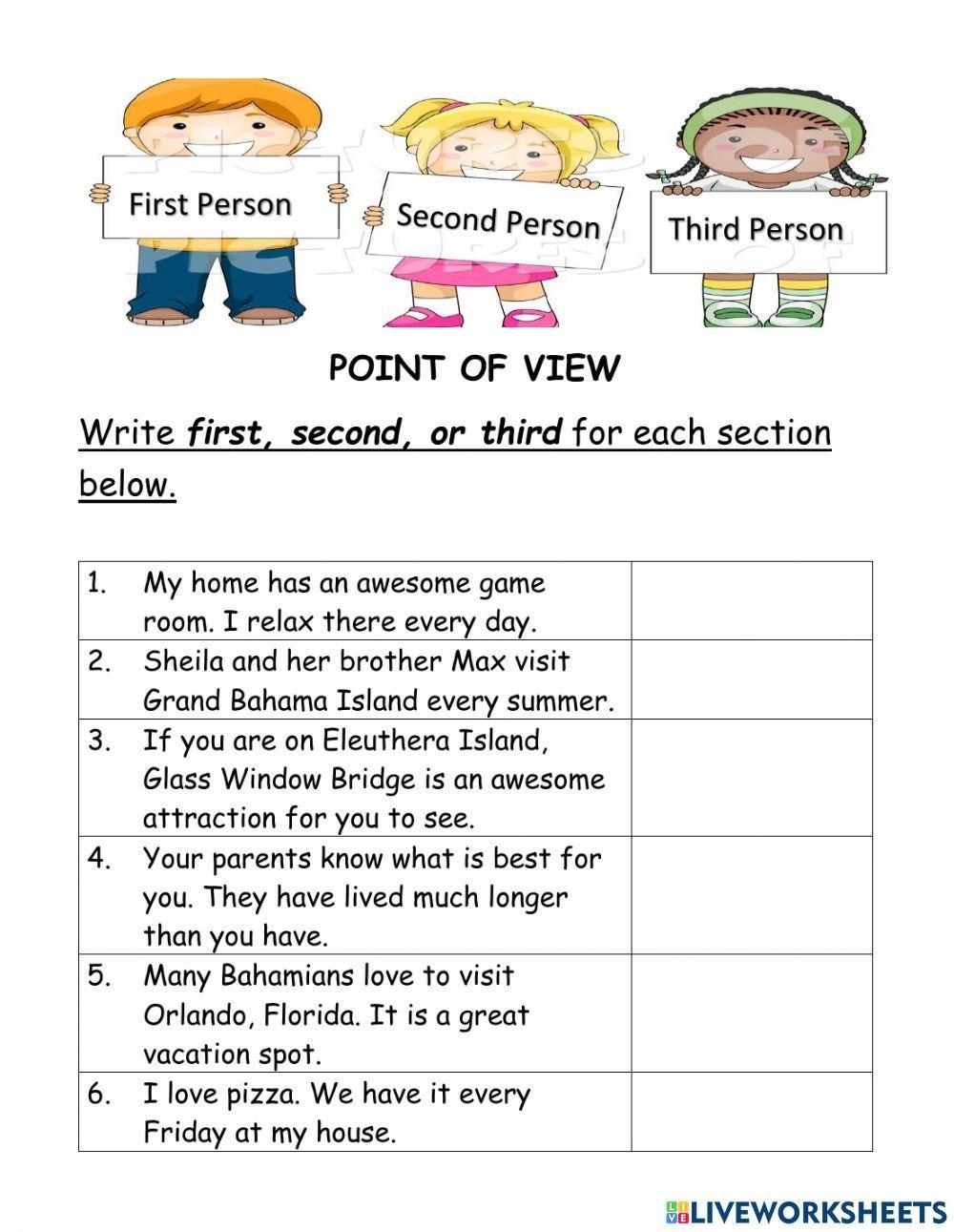
Identify The First Second And Third Point Of View ELA Worksheets Library
Understanding First Person Narrative
First person narrative has several key characteristics that set it apart from other narrative voices. For example, the narrator is often limited to their own thoughts and feelings, which can create a sense of tunnel vision. However, this can also make the story feel more personal and relatable, as the reader is experiencing the story through the eyes of a character. Additionally, first person narrative can be used to create an unreliable narrator, where the narrator’s perceptions are biased or incomplete. This can add complexity and depth to the story, as the reader must piece together the truth from the narrator’s account.
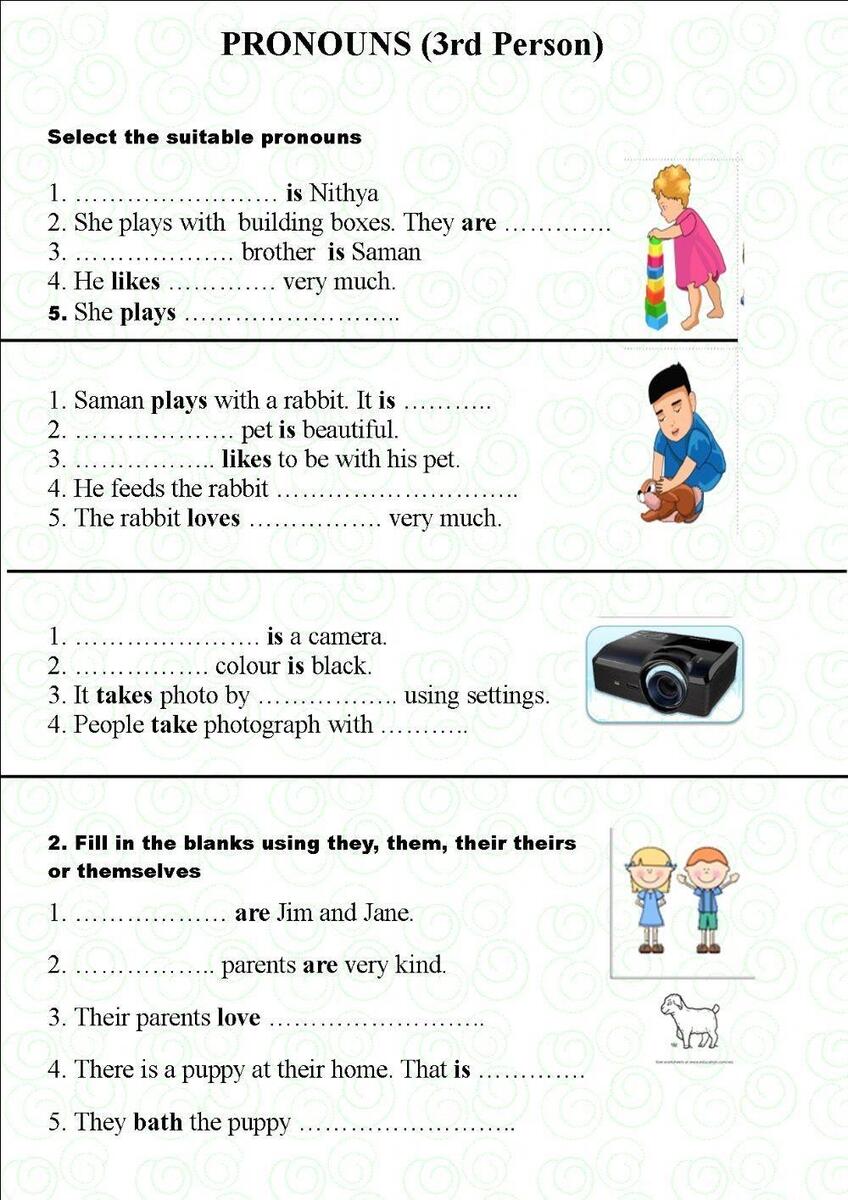
What Is 1st 2nd 3rd Person Written In Third Person Worksheets Library
Exploring Third Person Narrative
Third person narrative, on the other hand, offers a broader perspective on the story. The narrator can describe multiple characters’ thoughts and feelings, creating a more nuanced and detailed picture of the story. Additionally, third person narrative can be used to create a sense of suspense or surprise, as the narrator can withhold information from the reader. However, third person narrative can also feel more distant or detached, as the reader is not directly experiencing the story through a character’s eyes. By using a printable worksheet, writers can practice switching between first person and third person narrative, and develop a deeper understanding of the strengths and weaknesses of each voice.
Practicing with a Printable Worksheet
Using a printable first person vs third person worksheet can be a valuable tool for writers. The worksheet can provide exercises and prompts to help writers practice writing in different narrative voices. For example, the worksheet might ask writers to describe a scene from a character’s perspective, and then rewrite it from an outside perspective. This can help writers develop their skills and flexibility, and make more informed decisions about the narrative voice of their story. Additionally, the worksheet can provide examples and illustrations of different narrative voices, helping writers to see the differences in action.
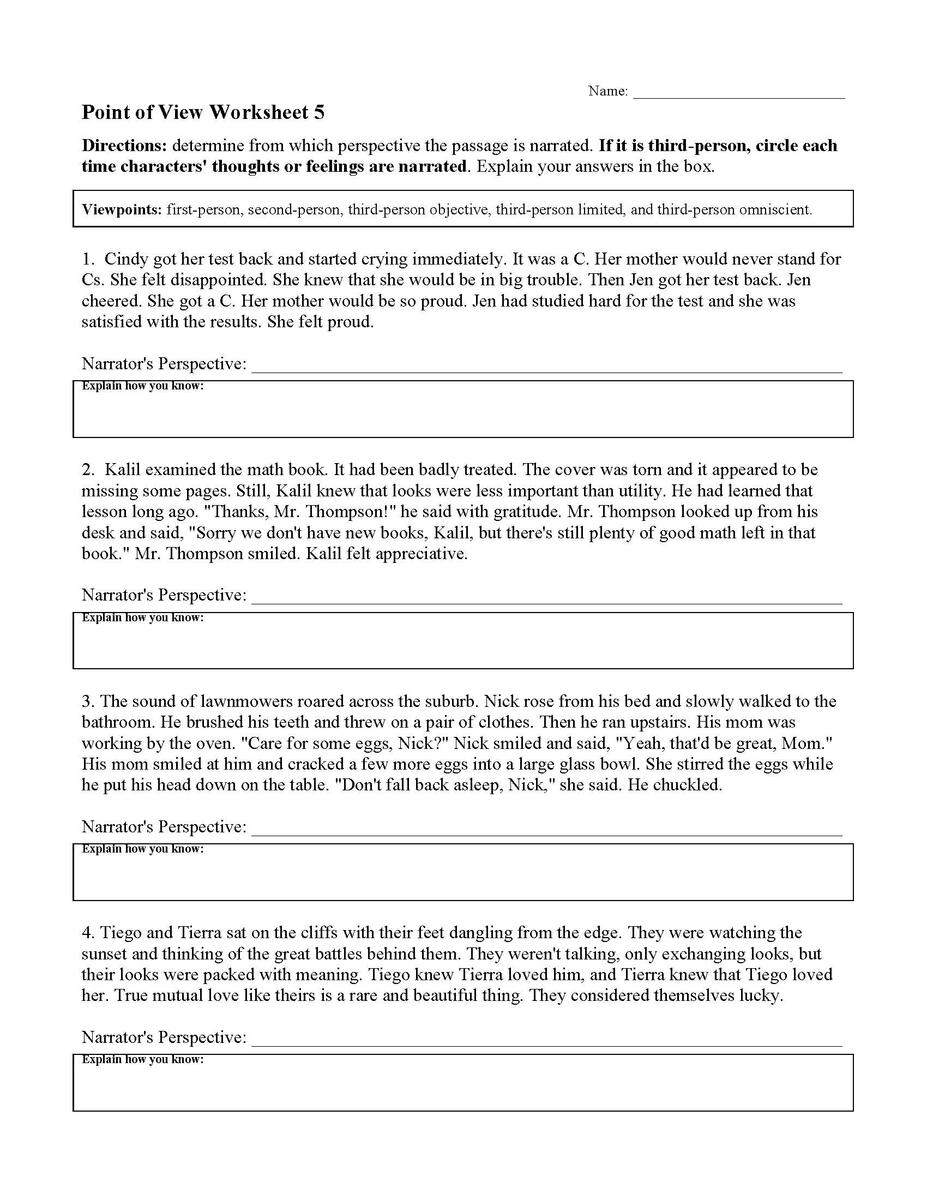
Point Of View Worksheets Reading Activities
By mastering the use of first person and third person narrative, writers can add depth, complexity, and variety to their stories. Whether you’re a seasoned author or just starting out, a printable first person vs third person worksheet can be a valuable resource. So why not give it a try? With practice and patience, you can develop the skills you need to tell compelling stories that draw readers in and keep them engaged. And with a printable worksheet, you can start practicing today and see the improvement in your writing skills.
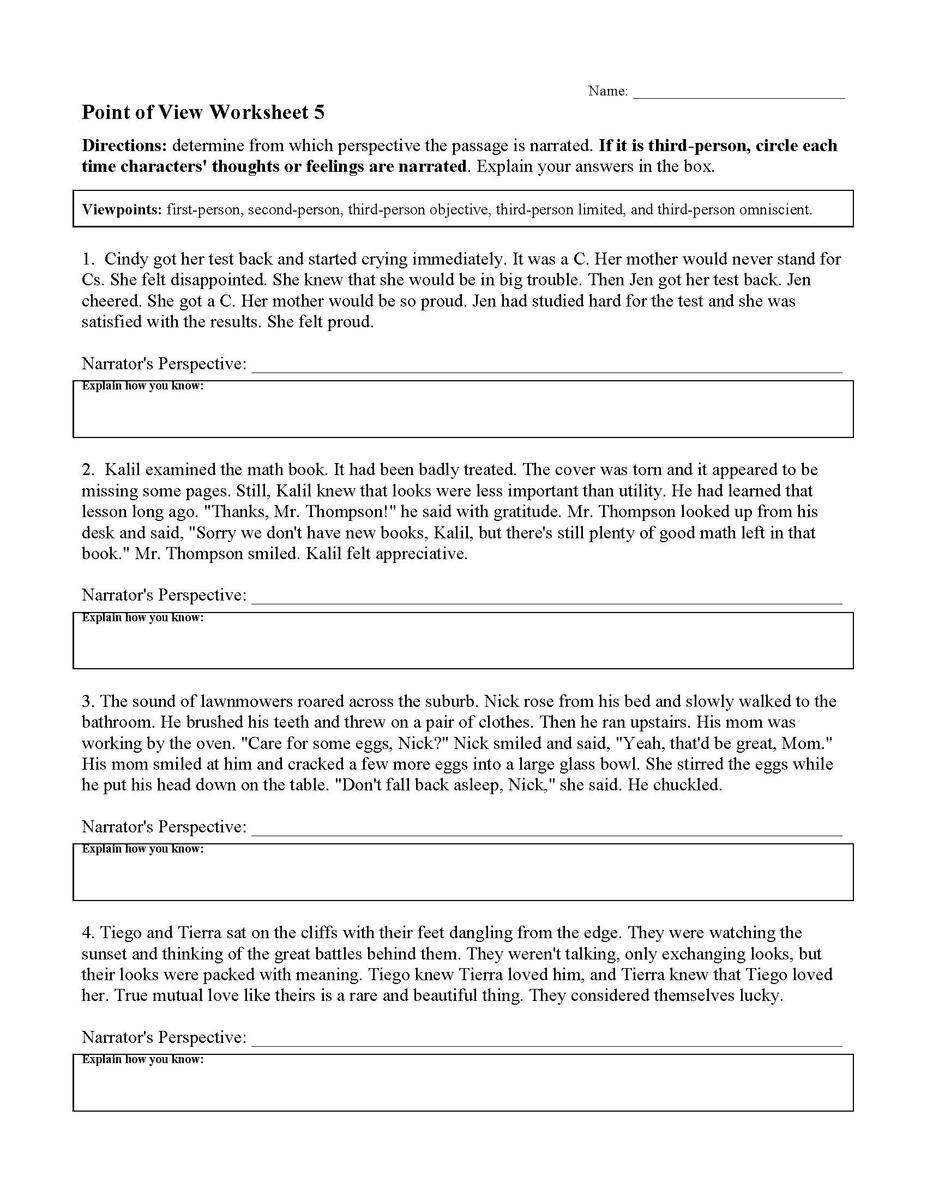
Point Of View Worksheets Reading Activities
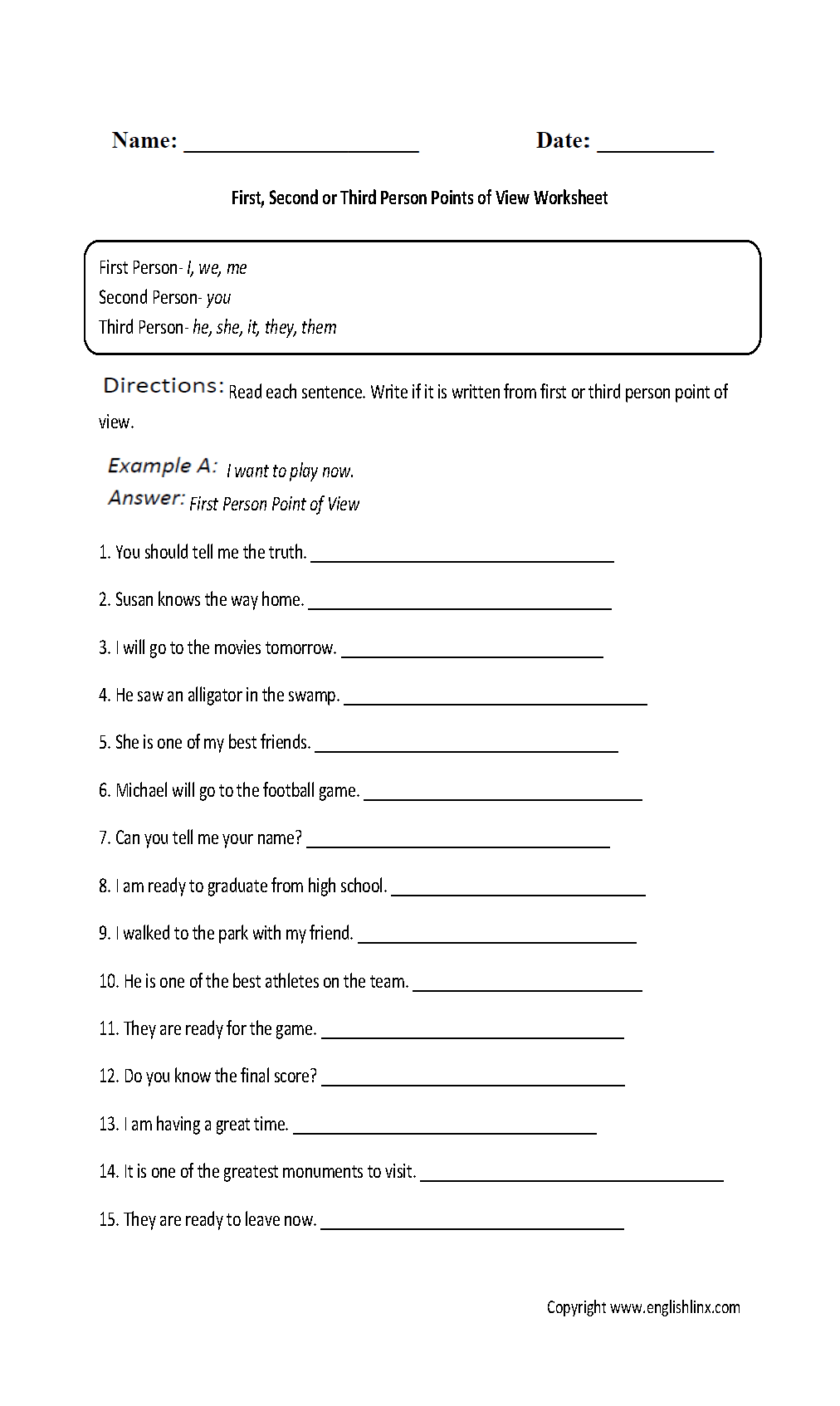
Englishlinx Point Of View Worksheets