Plants are the backbone of our ecosystem, providing oxygen, food, and shelter for countless species. Among the diverse range of plant life, two categories stand out: angiosperms and gymnosperms. These terms refer to the way plants reproduce, with angiosperms producing flowers and seeds within fruits, while gymnosperms produce seeds without flowers or fruits. Understanding the differences between these two groups is crucial for botanists, students, and anyone interested in the natural world.
The distinction between angiosperms and gymnosperms is not just about reproduction; it also reflects their evolutionary history, growth habits, and adaptations to different environments. Angiosperms, for instance, are incredibly diverse, ranging from tiny duckweeds to massive trees, and include most of the plants we use for food, such as grains, fruits, and vegetables. Gymnosperms, on the other hand, include conifers, cycads, and ginkgos, playing vital roles in many ecosystems, especially in colder and drier climates.
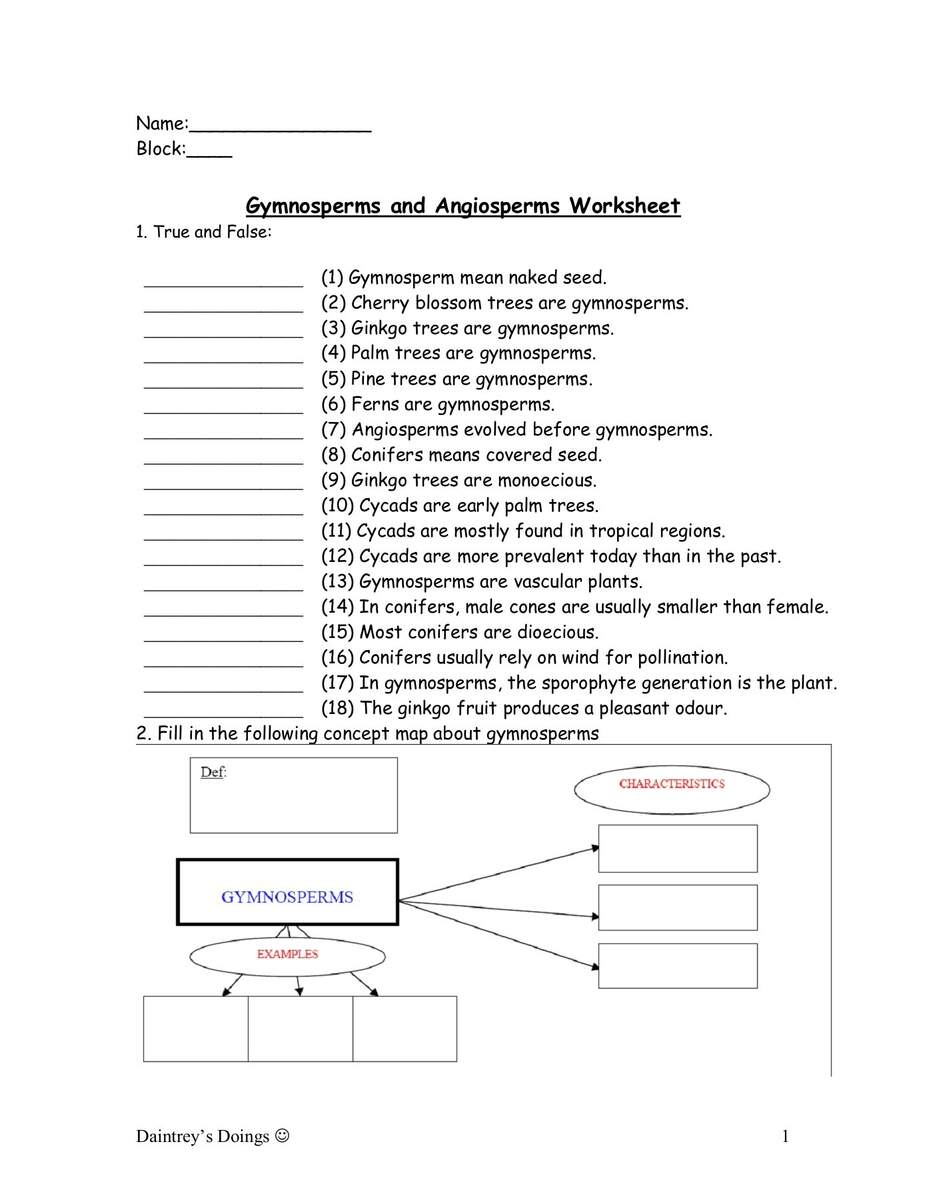
Gymnosperms And Angiosperms Worksheet Wikispaces
Understanding Angiosperms
Angiosperms are characterized by their ability to produce flowers, which are essentially reproductive structures designed to attract pollinators and facilitate the fusion of male and female gametes. This group includes a vast array of plant species, from herbaceous annuals to long-lived perennials and trees. The diversity within angiosperms is staggering, with variations in leaf shape, flower color, and fruit type that have evolved to suit different ecological niches. Understanding angiosperms requires a deep dive into their morphology, physiology, and ecological roles.
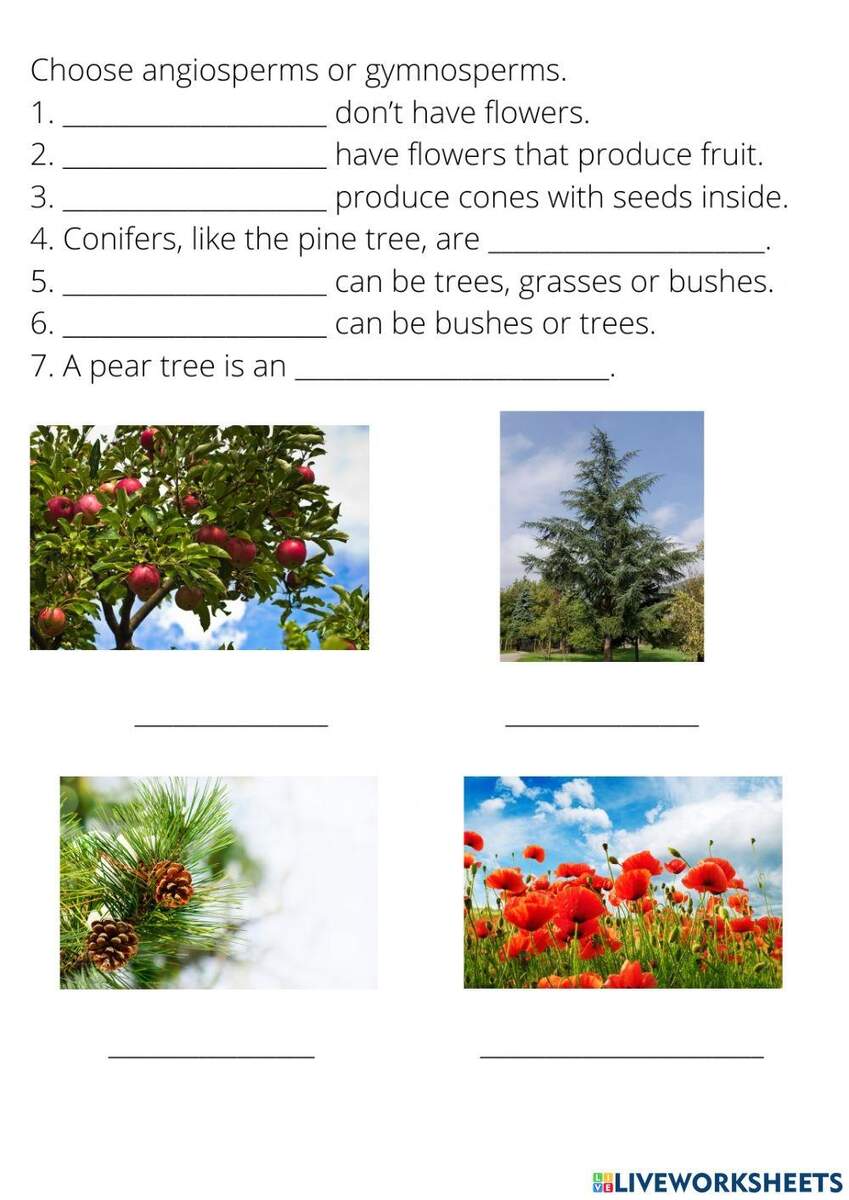
Seed Producing Plants Worksheet Worksheets Library
Exploring Gymnosperms
Gymnosperms, unlike angiosperms, do not produce flowers or fruits. Instead, they reproduce via cones or other specialized structures that release pollen and seeds into the environment. This group is less diverse than angiosperms but includes some of the most resilient and long-lived species on Earth, such as the bristlecone pines. Gymnosperms have adapted to survive in harsh conditions, with strategies like needle-shaped leaves to reduce water loss and chemical defenses against herbivores. Studying gymnosperms offers insights into the evolution of plant life and the strategies that have allowed certain species to thrive in challenging environments.
Creating a Worksheet
Creating a worksheet on angiosperm and gymnosperm can be an engaging way to learn about these plant types. Such a worksheet can include diagrams to label, comparisons to make between different species, and questions that prompt deeper thinking about the adaptations and ecological roles of these plants. For educators, a free printable worksheet is a valuable resource, offering a structured approach to teaching complex botanical concepts in an accessible and interactive manner. By downloading and using these worksheets, students can develop a stronger understanding of the natural world and appreciate the diversity and complexity of plant life.
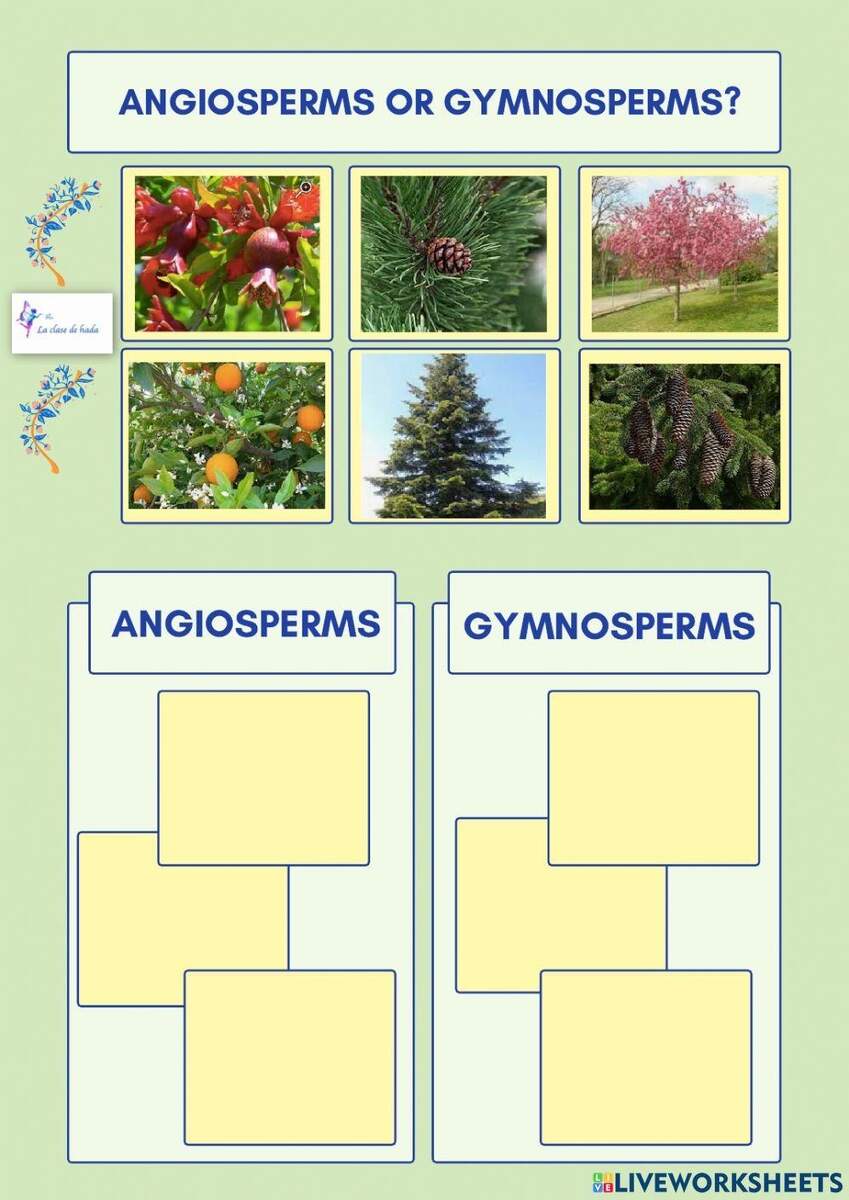
Angiosperms And Gymnosperms Worksheet Worksheets Library
In conclusion, the distinction between angiosperms and gymnosperms is fundamental to understanding the diversity of plant life on Earth. By exploring these categories through a free printable worksheet, individuals can gain insights into the evolutionary, morphological, and ecological aspects of these plants. Whether for educational purposes or personal interest, delving into the world of angiosperms and gymnosperms can foster a deeper appreciation for the natural world and encourage further exploration of botanical sciences.
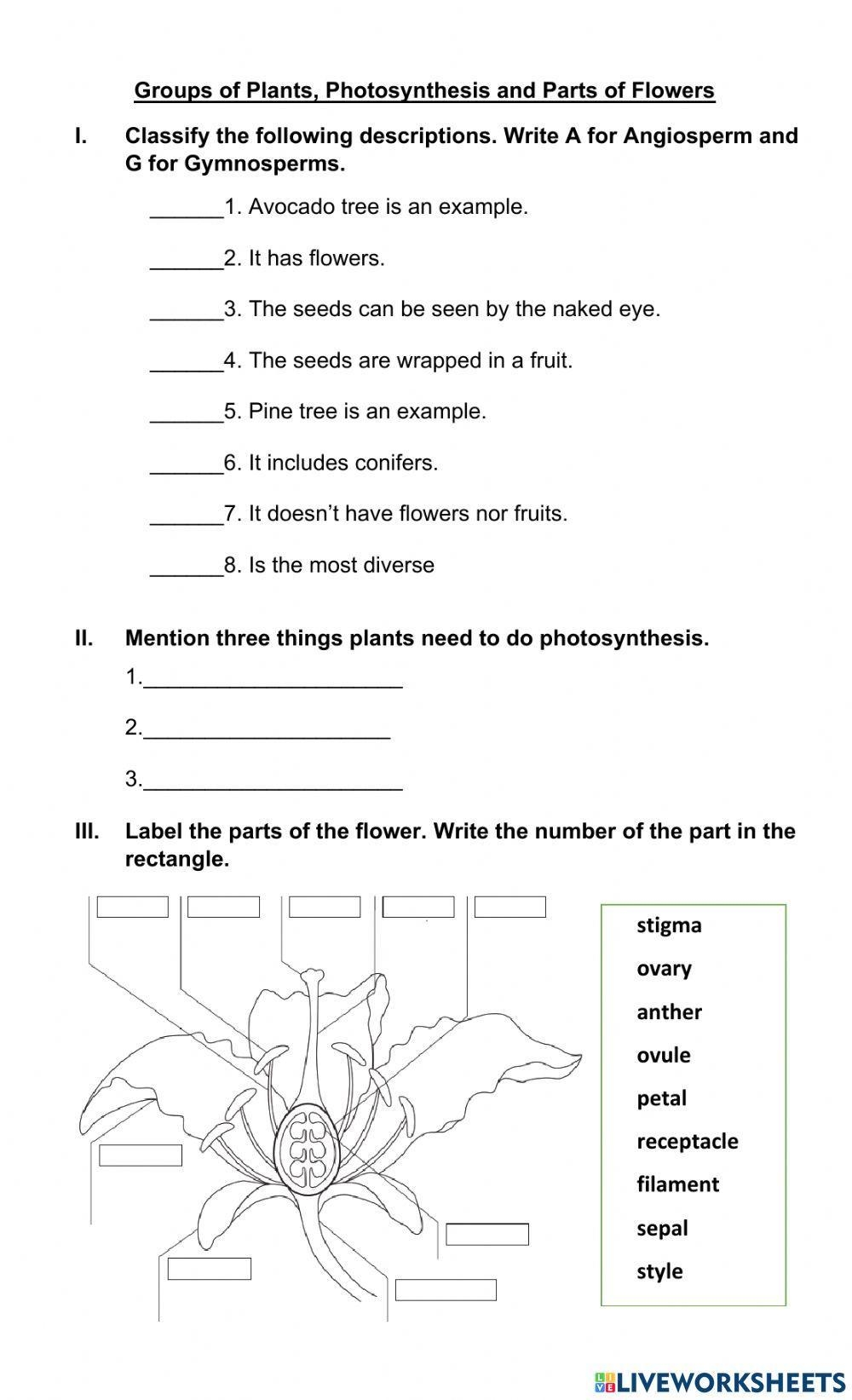
Gymnosperm Angiosperms Photosynthesis And Parts Of The Flower Worksheets Library
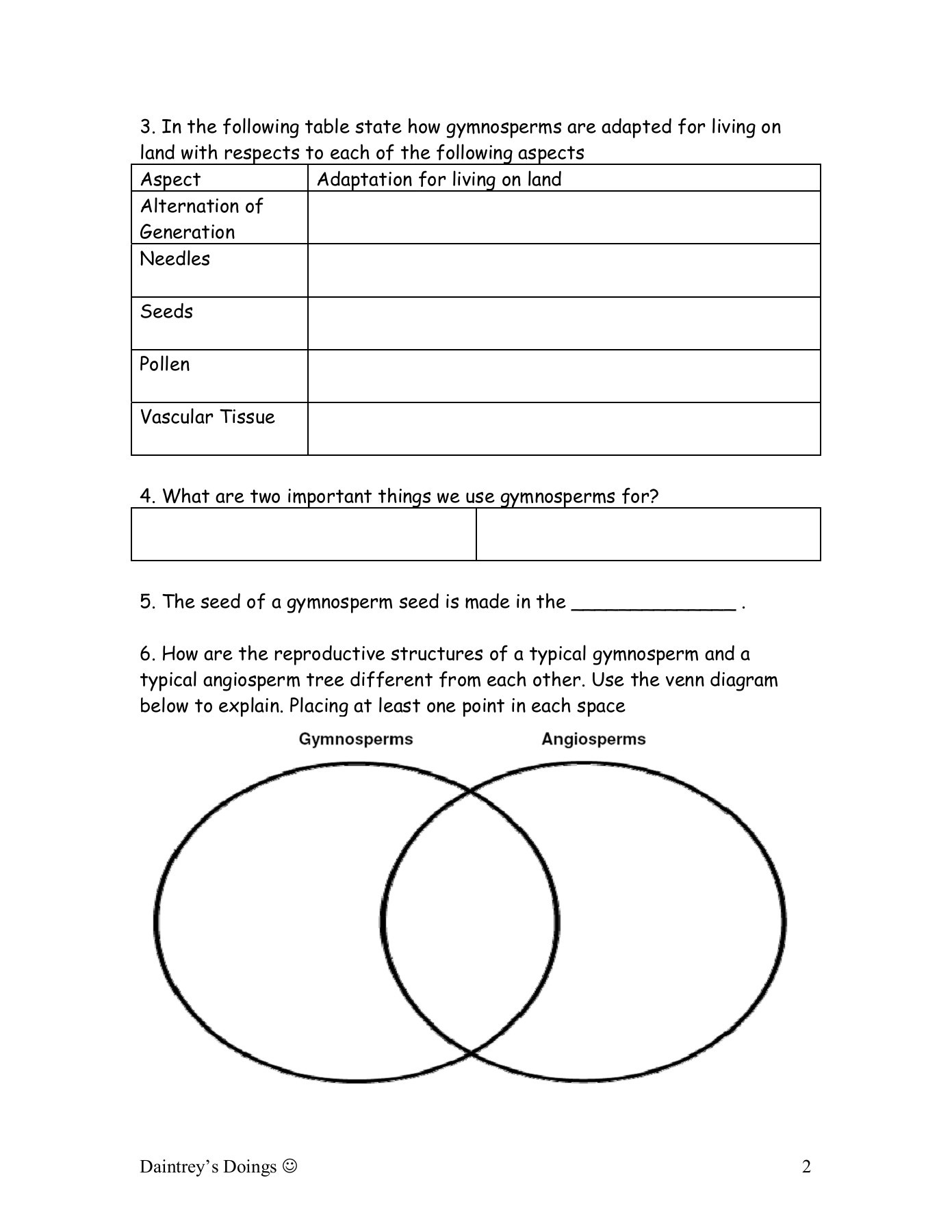
Gymnosperms And Angiosperms Worksheet Wikispaces